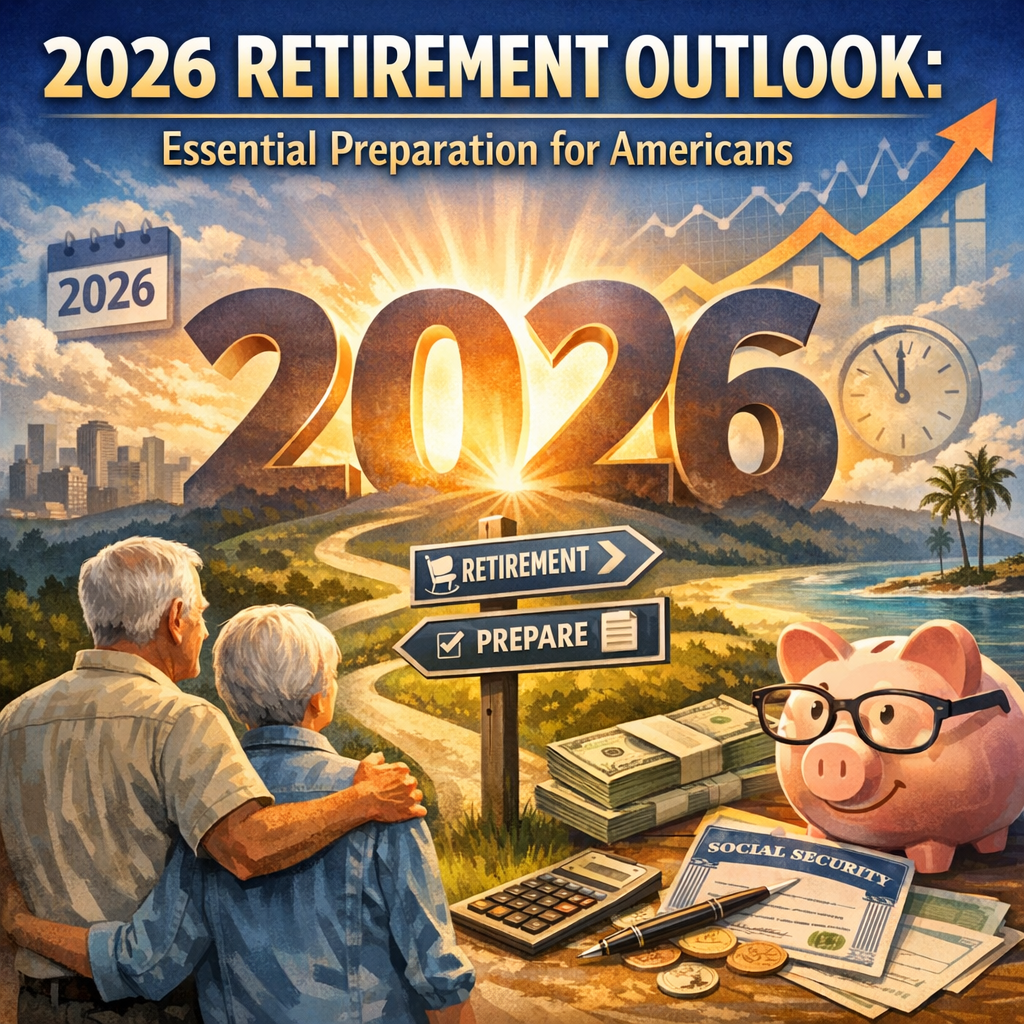
2026 National Retirement Outlook: Essential Preparation for Americans
The 2026 National Retirement Outlook: What Every American Should Prepare For
As we approach 2026, the retirement landscape continues to evolve, influenced by economic trends, changing demographics, and new policy adjustments. Understanding the national retirement outlook is crucial for anyone planning to retire in the next few years. This post outlines what every American should prepare for regarding their retirement plans by 2026.
Shifting Demographics Impacting Retirement
Increased Life Expectancy
Americans are living longer, thanks to advancements in healthcare. The increase in life expectancy impacts how long retirement savings must last. Preparing for a longer retirement period is essential, implying that Americans might need to adjust their savings strategies to avoid outliving their resources.
Changing Retirement Age
There’s a trend toward increasing the retirement age as people stay healthier for longer. This shift means many Americans will work longer, either out of necessity or choice, impacting when and how they retire.
Economic Trends
Fluctuating Market Conditions
The economic environment leading up to 2026 shows variable market conditions. Understanding these trends and how they affect investments is crucial for retirees. Ensuring a diversified investment portfolio can help manage risks associated with market volatility.
Interest Rates and Inflation
The outlook for interest rates and inflation is a critical factor for retirement planning. With potential rises in inflation, fixed incomes might not stretch as far as planned. Retirees should consider how inflation could impact their purchasing power and adjust their retirement savings accordingly.
Government Policies and Social Security
Adjustments to Social Security
Modifications to Social Security benefits could significantly impact retirement planning. By 2026, there may be changes in how benefits are calculated and at what age individuals can start receiving them. Staying informed about these changes is vital for effective retirement planning.
Healthcare and Medicare
Changes in healthcare laws and Medicare could also impact retirees. As healthcare costs continue to rise, understanding and planning for healthcare expenses in retirement is increasingly important.
Personal Retirement Planning
Diversifying Income Streams
Relying solely on savings or Social Security is becoming less feasible for a secure retirement. Creating multiple income streams, whether through investments, part-time work, or other means, is an excellent strategy to ensure financial stability in retirement.
Retirement Savings Vehicles
Maximizing contributions to retirement accounts such as IRAs and 401(k)s is more crucial than ever. Consider other retirement vehicles and investments that can provide additional income and stability in retirement.
Long-Term Care Insurance
As life expectancy increases, so does the potential need for long-term care. Considering long-term care insurance can help protect retirement savings from significant healthcare costs later in life.
Conclusion
The 2026 national retirement outlook presents both challenges and opportunities. By staying informed and adapting to these changes, Americans can plan a secure and fulfilling retirement. It’s never too early or too late to start preparing for retirement — the key is to remain flexible and proactive in your planning strategy.